
Extracurricular Activities
Music
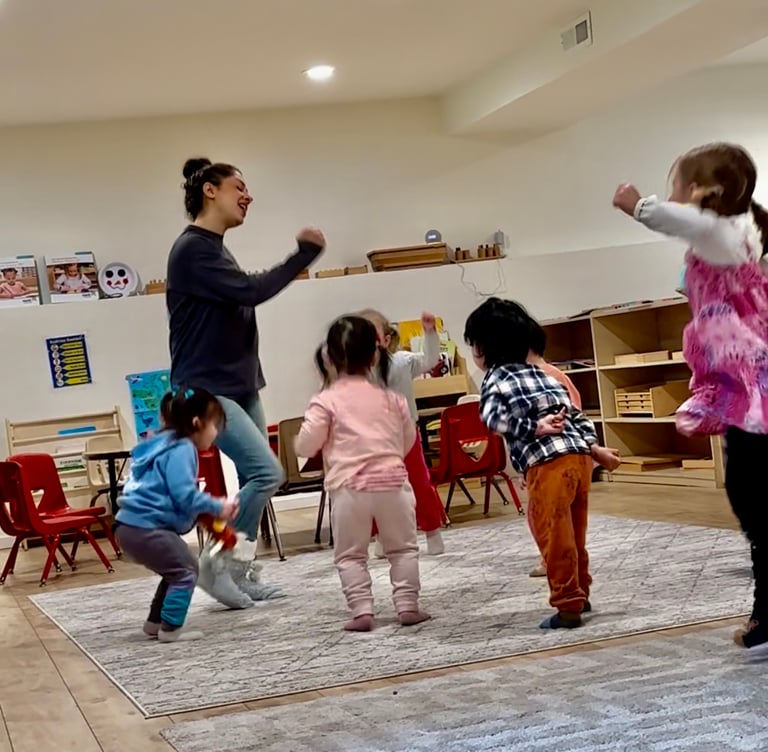
Music is a joyful and essential part of our Montessori-inspired environment, supporting children’s development in meaningful ways. Through singing, movement, and instrument play, children explore musical elements like rhythm, tempo, tone, and dynamics. These experiences nurture their sensory awareness, coordination, and memory—all while encouraging collaboration and self-expression.
We also use music as a gateway to cultural appreciation. Children are introduced to songs, instruments, and musical traditions from around the world, helping them build empathy, curiosity, and respect for diverse cultures. As they choose instruments, follow rhythms, and contribute to group performances, they develop independence and confidence—key pillars of Montessori learning.


Gardening
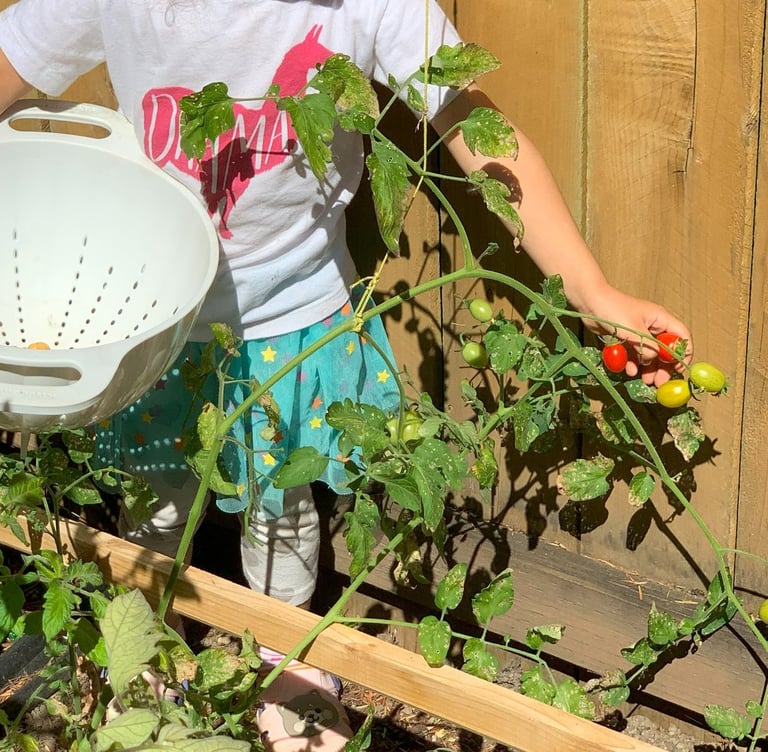
Daily outdoor play is essential for young children—it gives them space to run, explore, and release their energy in healthy, joyful ways. Our gardening program adds a meaningful layer to this experience by helping children connect with nature through hands-on activities. As they plant, nurture, and harvest their own garden beds, they begin to understand responsibility and develop a deeper appreciation for the environment. Gardening also supports fine motor development and builds patience, making it a well-rounded outdoor activity that blends physical growth with experiential learning.


Yoga
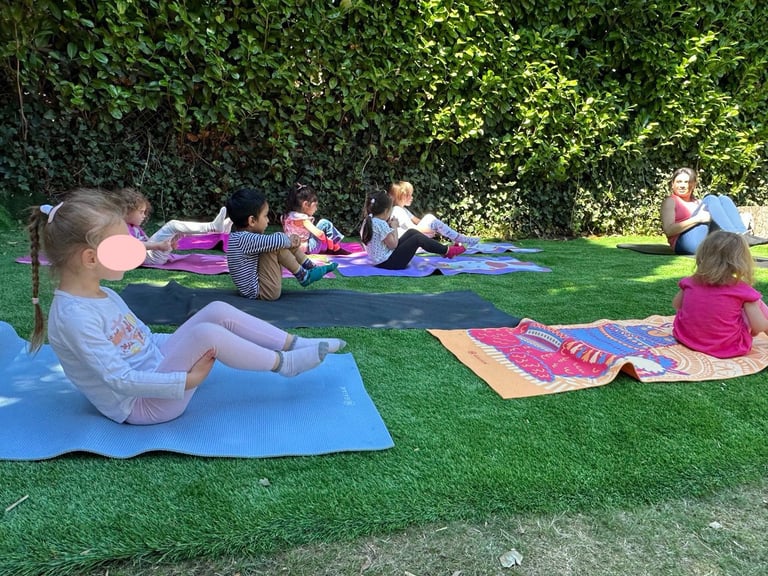
Our optional Yoga Class is a special part of our school experience, designed specifically for children ages 3 to 5. These classes offer a fun and engaging environment where little ones can explore movement and develop essential physical skills. Through age-appropriate activities, children build motor skills, coordination, and flexibility—all while discovering the joy of moving their bodies. It’s also a wonderful introduction to mindfulness, presented in a playful and accessible way. Please note: registration is required to participate.
Cooking
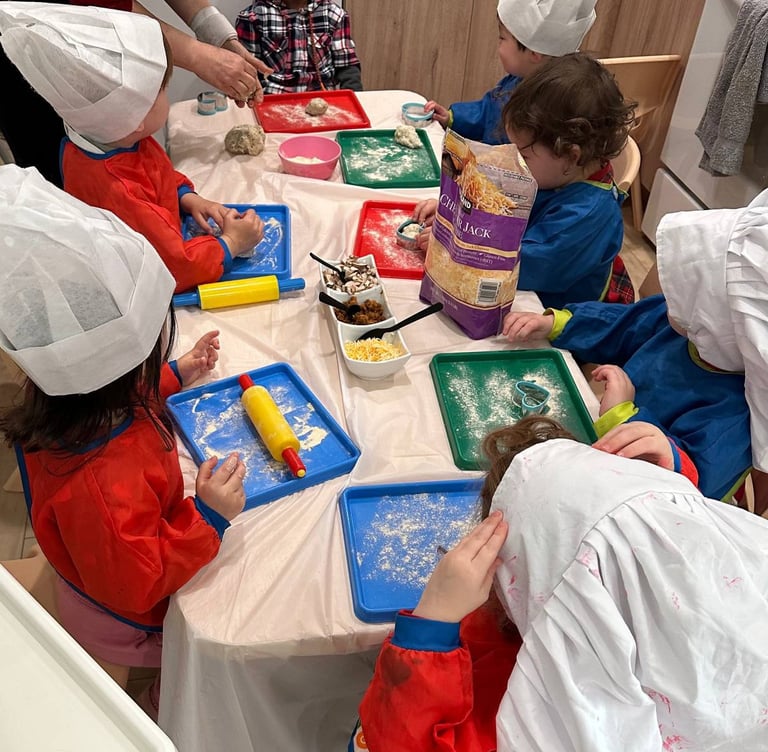
Our cooking classes provide children with a practical opportunity to discover the world of food and develop culinary abilities. They gain knowledge about ingredients, measurements, and basic cooking methods, which cultivate independence and a sense of responsibility. Engaging in cooking activities also enhances their fine motor skills and patience as they adhere to recipes and prepare meals, creating an enjoyable and educational experience that combines practical life skills with sensory learning.
Have any questions?